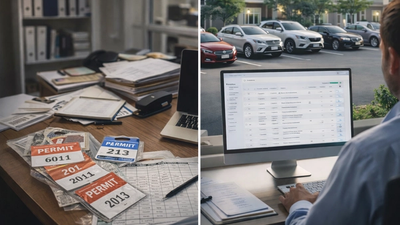
Every property manager has felt it: that spike of dread when considering a technology rollout. Not because the software is complicated. But because of the phone call you know is coming—the one from a long-term resident who's been in unit 4B for eleven years, doesn't own a smartphone, and is now convinced she's going to get towed.
This is what we call the "Grandma Test." If your oldest, least tech-literate resident can register their car in under two minutes without assistance, your system is viable. If they can't, the system—not the resident—has failed.
Moving to virtual permits isn't about forcing residents to become tech experts. It's about choosing the right platform and implementing parking solutions for apartments that are simple for residents and easy for property managers to administer. Pairing that technology with a high-touch service model ensures no one gets left behind. Resident retention depends on making every person feel included. Digital amenity adoption works when the technology adapts to the resident—not the other way around.
Understanding the Resistance: It's Not About Technology, It's About Fear
When residents push back on new parking systems, the objection rarely sounds like "I don't understand computers." It sounds like "What if I get towed?" The fear isn't the internet—it's the enforcement. Physical tags felt safe because they were visible. Digital permits feel invisible. To a resident used to a physical hangtag, invisible feels like a lack of protection.
Your property management change management strategy needs to address this directly. The goal isn't to teach residents how computers work. It's to reassure them that their "digital twin" (the database record linking their plate to their unit) is secure and recognized the moment enforcement scans their license plate.
Step 1: Choosing Technology That Passes the Test
The "No-App" Advantage
Most virtual permit platforms fail the Grandma Test before a resident even gets started. The problem? Apps. Downloading an application requires navigating the App Store, remembering an Apple ID password, agreeing to updates, and figuring out why the screen keeps asking for Face ID. Each step is a potential exit point.
Web-based portals eliminate all of this. If a resident can click a link in an email, they can register their vehicle. No downloads. No updates. No app store passwords. [ApartmentPermits.com][MANAGEMENT-PAGE] is built on this principle: accessible parking technology that works on any device with a browser.
Smart Plate Matching
Even with a simple interface, human error happens. A resident types an "O" instead of a "0." They transpose two characters. They leave out a space that appears on their physical plate.
Platforms without error tolerance turn these small mistakes into enforcement nightmares. A wrongful citation or tow erodes trust instantly—especially for the residents who were already nervous.
ApartmentPermits accounts for common data-entry errors automatically. The system matches plates intelligently, recognizing that "ABC 1234" and "ABC1234" refer to the same vehicle. This forgiveness for data-entry errors means a minor typo doesn't lead to a towed car and an angry phone call. That's what passing the Grandma Test actually looks like.
Step 2: The "White Glove" Concierge Rollout
Even the simplest technology won't reach everyone. In most communities, somewhere between five and ten percent of residents genuinely cannot or will not use a computer. Your resident communication strategy needs to meet them where they are.
The Leasing Office Station
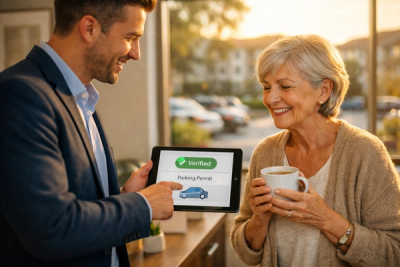
Set up a dedicated iPad or laptop at the front desk. When a resident visits the office—for any reason—staff can offer to handle their vehicle registration on the spot. No appointment needed. No special process. Just a quick addition to the conversation: "While you're here, let me make sure your car is registered in our new system."
Empowering Staff Language
Train your team to replace "Go to the website" with "Let me take care of that for you right now." This small shift changes the interaction from a homework assignment to a service. It tells the resident that their comfort matters more than the efficiency of a digital workflow.
The "Set and Forget" Reality
Here's the reassurance that matters most: unlike rent payments, which happen every month, vehicle registration happens once. Once staff helps a resident enter their plate, that resident doesn't need to touch the technology again until they buy a new car. For the vast majority of residents, that means years without any interaction required. One two-minute session, and they're done.
Step 3: Communication Strategy That Actually Reaches Everyone
Email alone won't cut it. Many older residents check email infrequently—or not at all. A strong resident communication strategy uses multiple channels.
Physical touchpoints still work. Door hangers with large fonts and a simple QR code give residents something they can hold, read at their own pace, and bring to the office if they need help. A flyer on the community bulletin board reinforces the message.
Host a "Coffee & Registration" morning. Invite residents to bring their vehicle registration and a cup of coffee. Staff handles the data entry while residents socialize. It turns a potentially stressful process into a community event—and guarantees that anyone who shows up leaves fully registered.
Use empathetic language in every communication. Lead with benefits, not threats. Instead of "Register your vehicle by March 1st or risk being towed," try: "No more lost stickers or replacement fees—register your vehicle once, and you're set." End every notice with a clear offer: "If you're uncomfortable using a computer, please stop by the office. We'll handle the entire process for you in less than two minutes."
📋 Copy This: The "Grandma-Friendly" Announcement
Subject: Parking Just Got Easier (We Promise)
We're upgrading our parking system to eliminate lost tags and prevent unauthorized parking. If you're comfortable using a computer, you can register at [Link] in two minutes.
Prefer to do this in person? Stop by the leasing office anytime. We'll handle the registration for you on the spot—it takes less than 60 seconds. No appointment needed!
Step 4: The Soft Launch and Grace Periods
Enforcement anxiety is real. The fastest way to destroy trust is to begin towing on day one. A soft launch builds confidence by proving the system works before any financial penalties apply.
Building Confidence Before Enforcement
A 30-day warning period accomplishes two things. First, it catches stragglers who missed the initial communications. Second, it demonstrates to every resident that the system is fair. When they see warnings going out—and see neighbors registering without issue—they begin to trust that the technology actually works. Only after this period should enforcement with real consequences begin.
Inclusivity Is the New Standard
Technology should remove barriers, not create them. The entire point of virtual parking permits is to make life easier—for managers who no longer print stickers, and for residents who no longer lose them. But "easier" only counts if it's easier for everyone.
By combining a user-friendly platform like ApartmentPermits.com with a concierge service mindset, property managers can modernize their parking operations without alienating their most loyal, long-term residents. The Grandma Test isn't just a benchmark for technology—it's a commitment to the kind of community where every resident feels valued, respected, and included.
That's not just good property management. That's how you protect resident retention while moving your community forward.